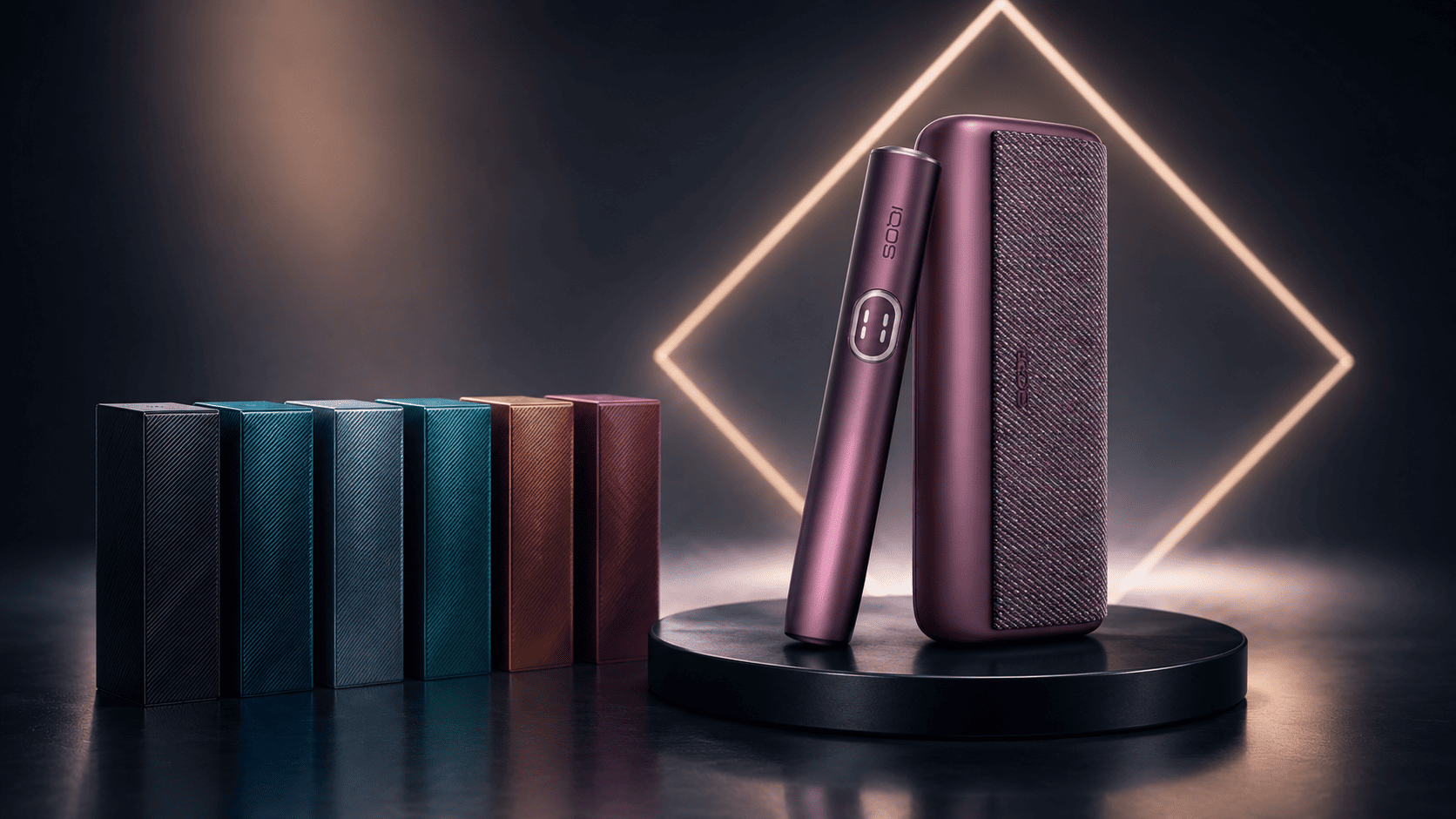
The discussion around IQOS trends 2026 increasingly focuses on how tobacco heating systems are evolving rather than simply introducing new device versions. Over the last several years, the category has shifted toward more integrated hardware, cleaner heating methods, and software-like personalization features. In 2026, the focus is expected to move even further toward ecosystem integration, automation, and reduced-maintenance operation.
At the center of these changes is IQOS ILUMA, a platform that represents a major transition within the heated tobacco category. Unlike earlier generations, the newer system relies on induction heating rather than internal blades. This change affects not only device maintenance, but also output stability, heating precision, and device-stick integration.
The broader conversation around smoke-free alternatives also continues to shape how manufacturers position new products. Instead of emphasizing design alone, companies increasingly focus on heating systems, aerosol generation, and user interaction logic. As a result, many of the expected developments tied to IQOS trends 2026 involve technology refinement rather than dramatic redesigns.
What is IQOS ILUMA and how does it work?
IQOS ILUMA is a tobacco heating system that uses induction heating instead of a blade inserted into the tobacco stick. This approach is commonly referred to as bladeless heating technology. Rather than piercing the tobacco substrate, the device heats specially designed sticks externally through magnetic induction.
The system operates using the Smartcore Induction System, which controls heat distribution across the tobacco stick during use. Because heating occurs without direct blade contact, the internal chamber accumulates less tobacco residue over time.
This process is part of a broader category known as heat not burn technology. Instead of combustion, the tobacco material is heated to a controlled temperature that generates aerosol. The distinction between aerosol vs smoke is central to how modern heated tobacco devices are categorized.
Several core components define how the system functions:
- Induction heating architecture.
- Controlled tobacco heating temperature.
- Dedicated stick pairing.
- Automated heating calibration.
- Aerosol generation without combustion.
This design represents a technical shift compared to earlier tobacco heating systems that relied on blade insertion.
Why IQOS trends 2026 focus on ecosystem compatibility
One of the most important developments connected to IQOS trends 2026 is ecosystem standardization. Earlier heated tobacco devices often introduced new hardware without long-term compatibility planning. Newer systems increasingly operate as closed ecosystems where hardware, sticks, and charging systems are interconnected.
For example, IQOS ILUMA devices are designed specifically for TEREA products rather than older HEETS formats, largely because of their induction architecture. As a result, questions related to IQOS Iluma compatibility are becoming increasingly important in discussions about 2026 device ecosystems. Ecosystem integration no longer refers only to charger connections or accessories. It also includes:
- heating mechanism alignment;
- tobacco stick structure;
- firmware calibration;
- airflow engineering;
- heating consistency.
Because of this, newer tobacco heating systems are beginning to resemble integrated electronic ecosystems rather than standalone devices.
The role of TEREA sticks in modern heated tobacco devices
The transition toward induction heating directly affects the design of TEREA sticks. These sticks are structurally different from earlier heated tobacco products because they are engineered for external heating rather than blade penetration.
In technical terms, TEREA products contain an internal metal element that interacts with the Smartcore Induction System. This enables controlled heat transfer across the tobacco substrate during use.
The growing interest in TEREA sticks in the USA also reflects broader changes within the heated tobacco market. As regulatory frameworks evolve, device-stick alignment becomes a larger part of consumer discussions.
Several characteristics distinguish modern TEREA formats:
- enclosed tobacco structure;
- induction-compatible design;
- reduced internal residue generation;
- stable aerosol formation process.
These characteristics support the broader movement toward heat-not-burn products with reduced maintenance requirements.
Why output stability matters in tobacco heating systems
One of the less visible but technically important developments connected to IQOS trends 2026 involves output stability during the heating process. In heated tobacco systems, aerosol generation depends heavily on stable temperature control throughout the session.
In combustion systems, tobacco temperature fluctuates continuously because burning occurs unevenly. In induction-based systems such as IQOS ILUMA, the heating process is calibrated electronically. This allows the device to maintain more stable thermal conditions during operation.
Several engineering factors influence session stability:
- heating distribution across the stick;
- airflow stability inside the chamber;
- tobacco substrate density;
- induction response timing;
- session temperature calibration.
These factors help explain why newer heated tobacco devices increasingly rely on closed-system integration. The relationship between hardware and tobacco stick structure becomes more important as heating precision increases.
This is also one reason why TEREA sticks usa discussions often focus on system requirements and device-specific design rather than only flavor or format availability.
IQOS ILUMA vs IQOS 3 DUO: what changed?
The comparison between IQOS Iluma vs 3 duo remains one of the most common technical discussions within the heated tobacco category. Although both systems belong to the same product family, their internal heating methods differ significantly.
| Feature | IQOS 3 DUO | IQOS ILUMA |
| Heating method | Blade heating | Induction heating |
| Stick type | HEETS | TEREA |
| Cleaning requirement | Regular manual cleaning | Reduced cleaning frequency |
| Heating contact | Internal blade | External induction |
| Tobacco residue buildup | Higher | Lower |
| Compatibility | HEETS only | TEREA only |
The table highlights how tobacco heating vs combustion is now being refined through changes in engineering rather than through changes in tobacco composition itself.
One of the major differences involves cleaning. Earlier blade-based systems accumulated residue around the heating blade because tobacco remained in direct contact with the heating element. In induction systems, the heating process occurs externally, reducing direct contact between device components and tobacco material.
This difference is frequently referenced when discussing what makes IQOS ILUMA i different from previous models, particularly in relation to maintenance and system architecture.
What makes IQOS ILUMA i different from previous models
The latest generation introduces several refinements connected to heating logic, interface interaction, and session management. Compared to older systems, IQOS ILUMA devices increasingly operate more like calibrated electronic systems than mechanical tobacco heaters.
The most important difference involves the shift to bladeless heating technology. Because there is no blade inserted into the tobacco stick, the system can maintain more consistent heating patterns over repeated sessions.
Additional differences include:
- Automated heating control.
- Updated airflow management.
- Reduced chamber contamination.
- Revised charging logic.
- Expanded interaction features.
The question of what makes IQOS ILUMA i different from previous models is therefore primarily related to engineering changes rather than visual redesign.
How device interaction is changing in newer IQOS systems
The future direction of IQOS ILUMA also appears connected to interface simplification. Earlier generations of heated tobacco systems focused primarily on charging capacity and portability. Newer systems increasingly emphasize interaction logic and automated operation.
Several interaction changes are becoming more common across modern tobacco heating systems:
- automatic session recognition;
- adaptive heating calibration;
- pause and resume functionality;
- real-time battery communication;
- simplified cleaning requirements.
These adjustments do not necessarily change the underlying heat not burn technology, but they alter how users interact with the system during regular operation.
The move toward simplified interaction also reflects broader trends in consumer electronics. Many modern nicotine delivery systems now incorporate interface elements previously associated with wearable devices or mobile hardware ecosystems. This includes visual feedback systems, session tracking, and more automated thermal management.
At the same time, the engineering shift toward bladeless heating technology continues to reduce the importance of manual maintenance. Because induction systems avoid direct blade contact with tobacco material, residue buildup inside the chamber is reduced compared to earlier models.
Heated tobacco vs vaping in 2026
Another major topic connected to IQOS trends 2026 involves the comparison between heated tobacco vs vaping systems. Although both categories are often grouped together under smoke-free alternatives, their operating principles differ substantially.
Heated tobacco devices use processed tobacco material that is heated to generate aerosol. Vaping systems, by contrast, typically heat liquid-based solutions rather than tobacco.
Several technical differences define the categories:
- tobacco substrate vs liquid formulation;
- controlled tobacco heating vs liquid vaporization;
- aerosol composition differences;
- device calibration differences.
The distinction between aerosol vs smoke also remains important in this comparison because heated tobacco systems still rely on processed tobacco material.
In discussions surrounding alternative to cigarettes technologies, both categories continue to evolve separately rather than converging into a single product class.
Why are people switching to heated tobacco?
The broader movement toward smoke-free alternatives is often tied to changing preferences regarding combustion-based products. One major factor involves the difference between heating and burning tobacco.
In combustible products, tobacco reaches temperatures high enough to initiate combustion. In tobacco heating systems, the process operates below combustion thresholds. This distinction changes aerosol formation, residue generation, and odor characteristics.
Several commonly discussed factors include:
- reduced combustion exposure;
- lower visible smoke output;
- cleaner device operation;
- controlled heating cycles;
- reduced odor alternatives in enclosed environments.
The category therefore continues to expand within the broader landscape of heat-not-burn products.
IQOS device comparison and system evolution
An effective IQOS device comparison now requires more than evaluating battery size or charging speed. In 2026 discussions, comparisons increasingly focus on ecosystem logic and heating architecture.
Earlier generations prioritized portability and faster charging cycles. Newer systems emphasize:
- Heating consistency.
- Automated temperature calibration.
- Reduced maintenance.
- Platform integration.
- Interaction feedback systems.
This shift reflects broader changes across modern heated tobacco devices, where engineering integration becomes more important than isolated hardware specifications.
The transition also explains why many discussions around IQOS trends 2026 focus on long-term platform evolution rather than standalone device releases.
The future of smoke-free alternatives and nicotine delivery systems
The future of smoke-free alternatives increasingly involves convergence between electronics, calibration systems, and regulated aerosol generation technologies. Devices are becoming more software-oriented, with firmware optimization playing a larger role in heating precision.
At the same time, nicotine delivery systems continue to evolve under tighter regulatory oversight. This includes:
- product classification updates;
- device-use restrictions;
- age-verification frameworks;
- aerosol emission standards;
- tobacco heating regulations.
The concept of a smoke-free future is therefore connected not only to consumer behavior, but also to device engineering and regulatory infrastructure.
In this environment, newer heated tobacco devices are expected to focus more heavily on controlled operation and platform integration.
Can you use HEETS with IQOS ILUMA?
One of the most frequent questions surrounding newer ILUMA systems is whether older HEETS products can still be used with them. In practice, they cannot. Devices built around the Smartcore Induction System are engineered specifically for TEREA formats, while HEETS were originally developed for blade-heated generations and lack the structural elements required for magnetic induction heating.
This difference highlights an important shift in how the ILUMA platform is structured. Product pairing is no longer determined mainly by branding or product family, but by the underlying heating architecture itself. The growing separation between TEREA and HEETS formats also reflects a broader trend across modern tobacco heating systems, where ecosystems are becoming increasingly specialized and technically integrated.
Are heated tobacco products safer than cigarettes?
Regulatory and scientific discussions surrounding heated tobacco devices generally avoid absolute safety claims. Most technical explanations instead focus on operational differences between combustion and controlled heating.
The distinction between tobacco heating vs combustion remains central to these discussions. In combustion systems, tobacco burns at significantly higher temperatures. In heat-not-burn systems, tobacco is heated below combustion thresholds.
This changes:
- aerosol formation;
- smoke generation;
- combustion byproducts;
- residue accumulation patterns.
However, regulatory agencies in different countries classify these products differently, and health-related conclusions vary depending on jurisdiction and available research.
How regulation may shape heated tobacco devices in 2026
Another area expected to influence IQOS trends 2026 is regulation. Over the last few years, heated tobacco categories have increasingly been evaluated separately from combustible cigarettes and from vaping systems. In many countries, lawmakers now distinguish between combustion-based products, liquid-based nicotine delivery systems, and heat-not-burn products that use processed tobacco material.
This distinction affects several technical and operational areas:
- packaging requirements;
- product-identification labeling;
- device registration standards;
- tobacco stick classification;
- aerosol disclosure requirements.
For manufacturers of heated tobacco devices, this means future development is likely to involve tighter alignment between hardware engineering and compliance frameworks. As a result, newer systems may include additional authentication layers, region-based compatibility controls, and software-linked identification mechanisms.
Questions surrounding device-stick compatibility may therefore become even more important in 2026 and beyond. Regulatory systems increasingly require manufacturers to define exactly which sticks can be used with specific heating technologies. This is especially relevant for induction-powered systems using TEREA sticks, where the heating structure differs substantially from earlier blade-heated products.
TEREA sticks USA and market expansion
Interest in TEREA sticks usa continues to grow as more consumers become familiar with induction-based tobacco heating systems. Regulatory availability differs across states and distribution channels, which is why product requirements and identification remain important.
Discussions around where to buy IQOS heatsticks and TEREA in the USA increasingly involve questions about:
- Device requirements.
- Authorized distribution.
- Regional regulations.
- Product classification.
- System-specific stick formats.
As more regions adopt induction-based systems, the separation between older HEETS products and newer TEREA products becomes more visible within the market.
What is the future of IQOS?
The broader future of IQOS ILUMA appears closely connected to ecosystem refinement rather than radical redesign. Most expected developments tied to IQOS trends 2026 involve improvements in system calibration, ecosystem logic, and interaction design.
Several expected directions include:
- expanded induction-heating platforms;
- more integrated device ecosystems;
- reduced-maintenance hardware;
- enhanced ecosystem controls;
- updated thermal calibration technologies.
The category also continues to move toward more specialized nicotine delivery systems, where device functionality, tobacco stick structure, and heating logic operate as a unified platform.
As the market evolves, discussions surrounding alternative to cigarettes technologies increasingly focus on technical architecture and system engineering rather than simple hardware upgrades.
The evolution of IQOS trends 2026 reflects broader changes across modern heated tobacco devices and smoke-free alternatives. Systems such as IQOS ILUMA increasingly prioritize ecosystem integration, induction-based heating, and compatibility-specific hardware. As the category continues to develop, discussions surrounding heat not burn technology, TEREA sticks, and advanced tobacco heating systems are expected to remain central to the future of heated tobacco products.
Frequently Asked Questions
What is IQOS ILUMA and how does it work?
IQOS ILUMA is a tobacco heating system that uses induction heating instead of blade heating. The device heats specially designed TEREA sticks externally, generating aerosol without combustion.
What are TEREA sticks used for?
TEREA sticks are designed specifically for induction-powered IQOS systems. They interact with the Smartcore Induction System to support controlled tobacco heating.
Can you use HEETS with IQOS ILUMA?
No. HEETS products were developed for blade-based heating systems and are not compatible with ILUMA induction systems.
Is IQOS better than vaping in 2026?
Technical comparisons between heated tobacco and vaping systems focus on operational differences rather than superiority claims. Heated tobacco systems use processed tobacco material, while vaping systems typically use liquid-based formulations.
How does IQOS technology work?
The system operates through controlled tobacco heating rather than combustion. In ILUMA models, the heating process occurs externally through magnetic induction, rather than through direct blade contact.
What is the future of IQOS?
The future direction of the category appears focused on ecosystem integration, induction heating refinement, compatibility management, and updated aerosol calibration systems.